
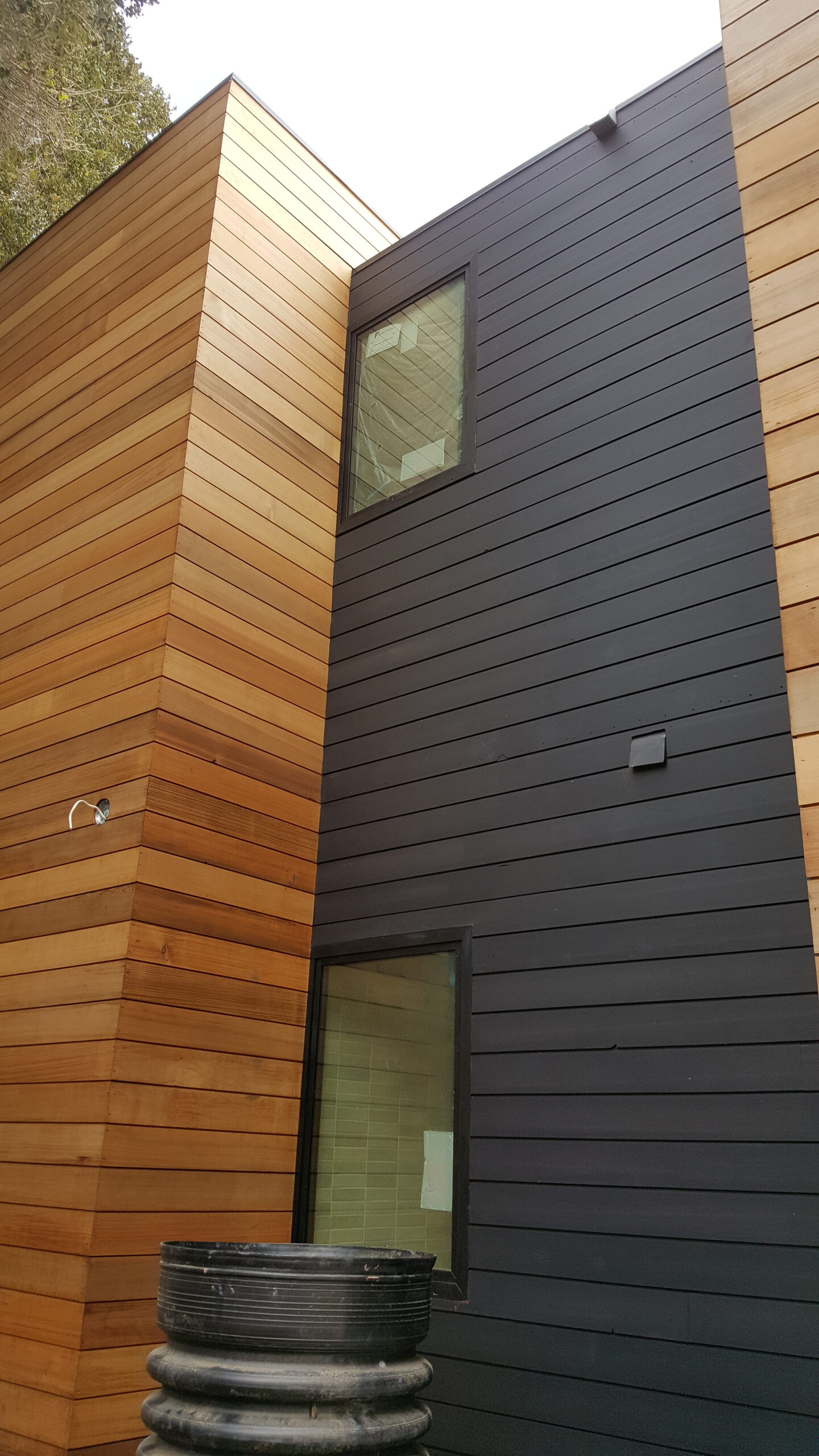
Look at scope, substrates, product selection, and planning before work begins.
A good estimate is more than a number. For many clients, the estimate is the first real step in a painting project. It is where ideas become practical, questions get answered, and the scope of work starts to take shape. A good estimate should not feel rushed or vague. It should help the client understand what is being painted, what the surfaces need, what products may be appropriate, and what level of finish is expected.
At Superior Finishes, the estimate is treated as part of the project process. The goal is not only to provide pricing, but to understand the property, the surfaces, and the result the client is looking for. A thoughtful estimate creates a better foundation for the work that follows.
Understanding the Project Goal
Every estimate begins with a simple question: what is the client trying to accomplish? Some projects are maintenance driven. Some are aesthetic. Some involve preparing a property for sale, refreshing a business, restoring an older surface, or upgrading a space with a more refined finish.
The purpose of the project affects the recommendations. A quick refresh of an interior wall is different from a high-end trim package, an exterior repaint, a cabinet finish, or a commercial space that needs durability and minimal disruption. The better the goal is understood, the more accurate and useful the estimate becomes.
Evaluating the Substrate
Before recommending a finish, the surface has to be evaluated. Drywall, stucco, wood, metal, masonry, doors, trim, cabinetry, and previously painted surfaces all behave differently. Some surfaces need sanding or patching. Some may require bonding primer, stain blocking, sealing, caulking, or repair before finish coats are applied.
This is one of the most important parts of the estimate. Paint is only as reliable as the surface it is applied to. If the substrate is chalking, peeling, cracking, absorbing unevenly, or holding moisture, the project needs to account for that before the final coating system is selected.
Looking at Prep Work Clearly
Preparation is where many painting projects succeed or fail. During an estimate, the contractor should look for surface defects, failed caulking, damaged trim, nail pops, cracks, texture differences, loose paint, stains, and areas where adhesion may be a concern.
High-end finishes require even more attention. Smooth walls, detailed trim, doors, built-ins, and architectural features can reveal small imperfections after paint is applied. If those details matter to the finished look, they need to be discussed before work begins.
Discussing Products and Finish Levels
A professional estimate should also include a conversation about products. Not every project calls for the same coating. Interior walls, exterior stucco, wood trim, metal railings, commercial corridors, bathrooms, and doors each have different performance needs.
The selected product should fit the substrate, exposure, use of the space, and desired maintenance level. Sheen is part of that decision as well. Flat, matte, eggshell, satin, semi-gloss, and gloss finishes all change the way a surface looks and performs. The right finish is not just a color decision. It is a practical decision.
Clarifying the Scope of Work
A clear estimate should define what is included. That may involve walls, ceilings, trim, doors, cabinets, exterior body, fascia, railings, accent areas, repairs, priming, masking, cleanup, and other details. It should also make clear what is not included or what may require further review.
This matters because painting projects often include many small decisions. Are closets included? Are doors painted on both sides? Is trim being repaired or only painted? Is the existing texture being matched? Are color changes significant enough to require additional coats? These questions help avoid confusion later.
Planning Around Access and Timing
Scheduling and access are also part of a good estimate. Residential projects may need planning around family routines, pets, furniture, landscaping, or work-from-home schedules. Commercial projects may need coordination around customers, employees, operating hours, parking, signage, or phased access.
Exterior projects add another layer of planning. Weather, moisture, sun exposure, drying time, and site access can affect the schedule. A responsible estimate should account for the real conditions of the job, not just the square footage.
Why Communication Matters
A painting project involves trust. Clients are allowing a contractor into their home, business, or property, often around finished surfaces, furnishings, landscaping, and daily routines. Clear communication helps the project move more smoothly and gives the client confidence in the process.
The estimate is where that communication begins. It should create a shared understanding of the scope, expectations, materials, preparation, timing, and finish quality. When those details are aligned early, the project has a better chance of reaching the result the client had in mind.
From Estimate to Finished Project
A professional painting estimate should leave the client with more clarity than they had before. It should explain the work, identify important surface conditions, recommend appropriate materials, and provide a practical path from idea to realization.
Your project, our goal. At Superior Finishes, we approach each estimate with careful consideration for the property, the substrate, the finish, and the client’s expectations.
Contact Superior Finishes to discuss your residential or commercial painting project and request a free estimate.